Why Petroleum-Based Lace Dominates the Industry
Every big shift starts with a question. For Natra, it was simple and deeply personal: Can we create stretch, softness, and beauty without petroleum-based plastic?
The Hidden Impact of Synthetic Lace Materials
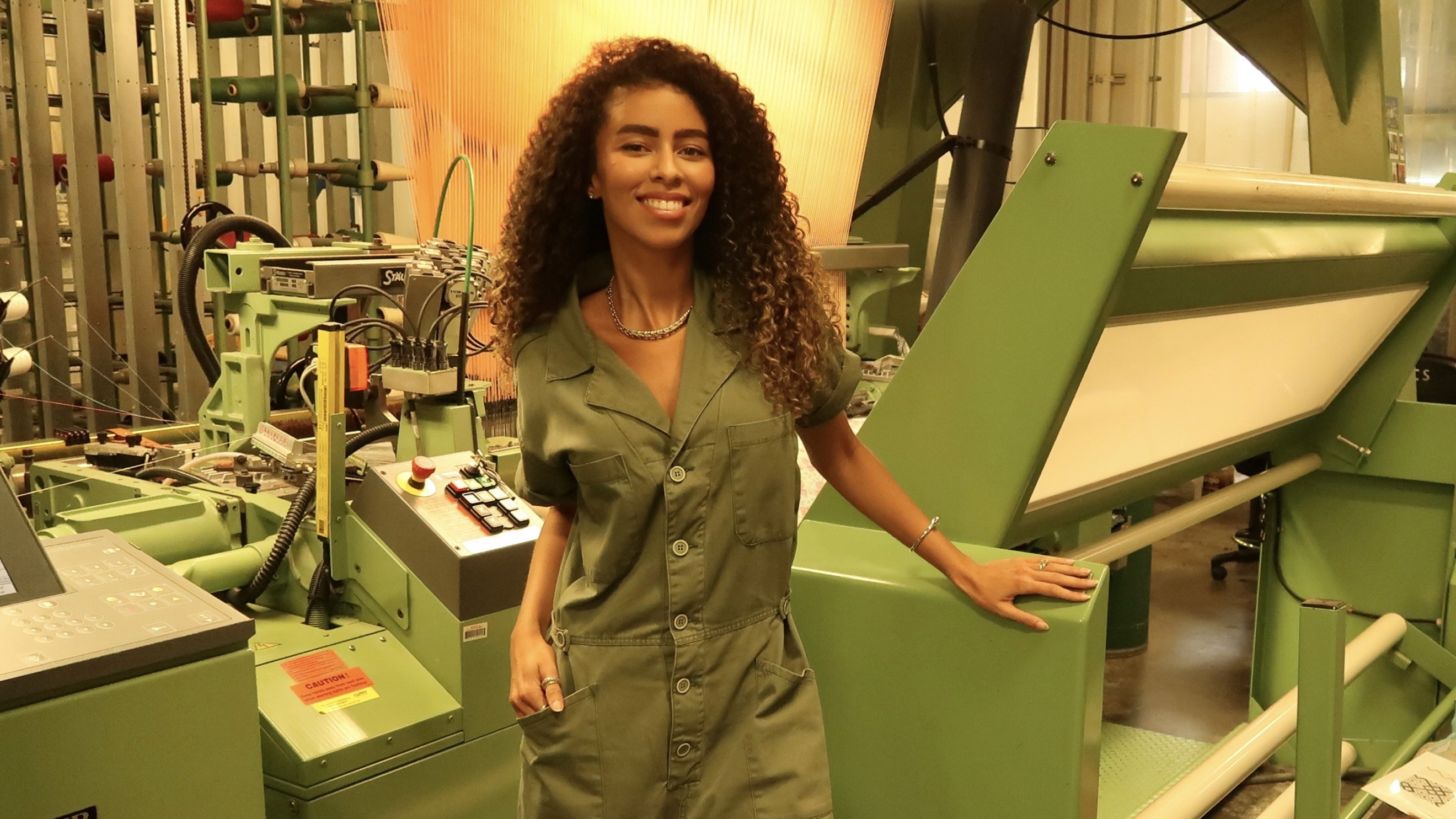
While working in fashion, our founder, Zoë Abel, learned what most people never see. All commercially available lace relies on petroleum-based nylon, polyester, or spandex. In other words, all lace contains plastic. That realization opened the door to deeper concerns including microfiber pollution, end-of-life challenges, and the long-term impacts on women’s health.
Researching a Plant-Based Alternative to Synthetic Lace
We are now in active research and development. Our team is testing plant-based approaches in the lab, learning what works and documenting what does not. We are studying stretch and recovery. We are exploring dye compatibility. We are mapping end-of-life pathways with independent testing. This is careful work that takes time, but we are moving quickly and strategically. The goal is clarity over hype, with a focus on creating a product that can reach and benefit every woman.
Designing Circular, Bio-Based Materials That Can Scale
Our direction is clear: build materials with a natural + bio-based composition that removes fossil fuel reliance, feel beautiful, move with the body, and are designed for circularity. Do it in a way that can scale, with processes that mills and brands can adopt without adding unnecessary complexity. And share our progress with transparency as we learn.
An Invitation to Build the Future of Responsible Textiles
If you are an investor or brand partner who believes materials should protect both people and the planet, we invite you to join us on this journey. The work is already underway, and each step forward brings us closer to a more responsible future. Together, we can help shape a new standard for textiles defined by integrity, innovation, and care.
Natra is developing plant-based lace as an alternative to petroleum-based materials traditionally used in intimate apparel. The article explores why synthetic lace dominates the industry, the environmental and health concerns tied to it, and how research-driven, circular textile innovation can create scalable materials that support women’s health and responsible design.